
|
Photography Essential Tips FLASH PHOTOGRAPHY There are many types of lighting. In fact, the study of lighting in photography is a subject itself. However, most beginning photographers work with two types of light: available or existing light and electronic flash, sometimes called strobe light. Te shutter speed on SLR cameras must be set on the camera's strobe setting when using an electronic flash. The strobe setting varies in the type of camera you have. If you were to set a faster shutter speed than the strobe setting, the shutter would be open part way when the exposure is made. This would only expose a small section of the photograph. Electronic flash units are great for action shots and portrait lighting. The flash of light is so fast (1/1000 sec or shorter) it freezes moving subjects, providing the photograph with a clear unblurred image even though the shutter speed is relatively low. A few flash cautions. If the flash unit is close to the lens and the subject is looking straight at the camera you may find the eyes to be reddish in color photo (the so-called "Red-eye"). The effect can be prevented by having your subject look slightly on one side or by mounting the flash unit to the side away from the lens. A bracket can be used for this purpose. If your subject wears eyeglasses, reflection with the flash can be a problem. This can be prevented if you have your subject hold his head slightly to one side. Flash units can also produce reflection from shiny backgrounds like windows and mirrors. You can avoid these reflections by shooting at an angle to the window. It is also a technique in using the flash units to bounce the light from the ceiling or wall (best if you have an adjustable flash). This diffuses the light that illuminates your subject and makes that light less harsh and more natural.
|

The Big Apple Pics
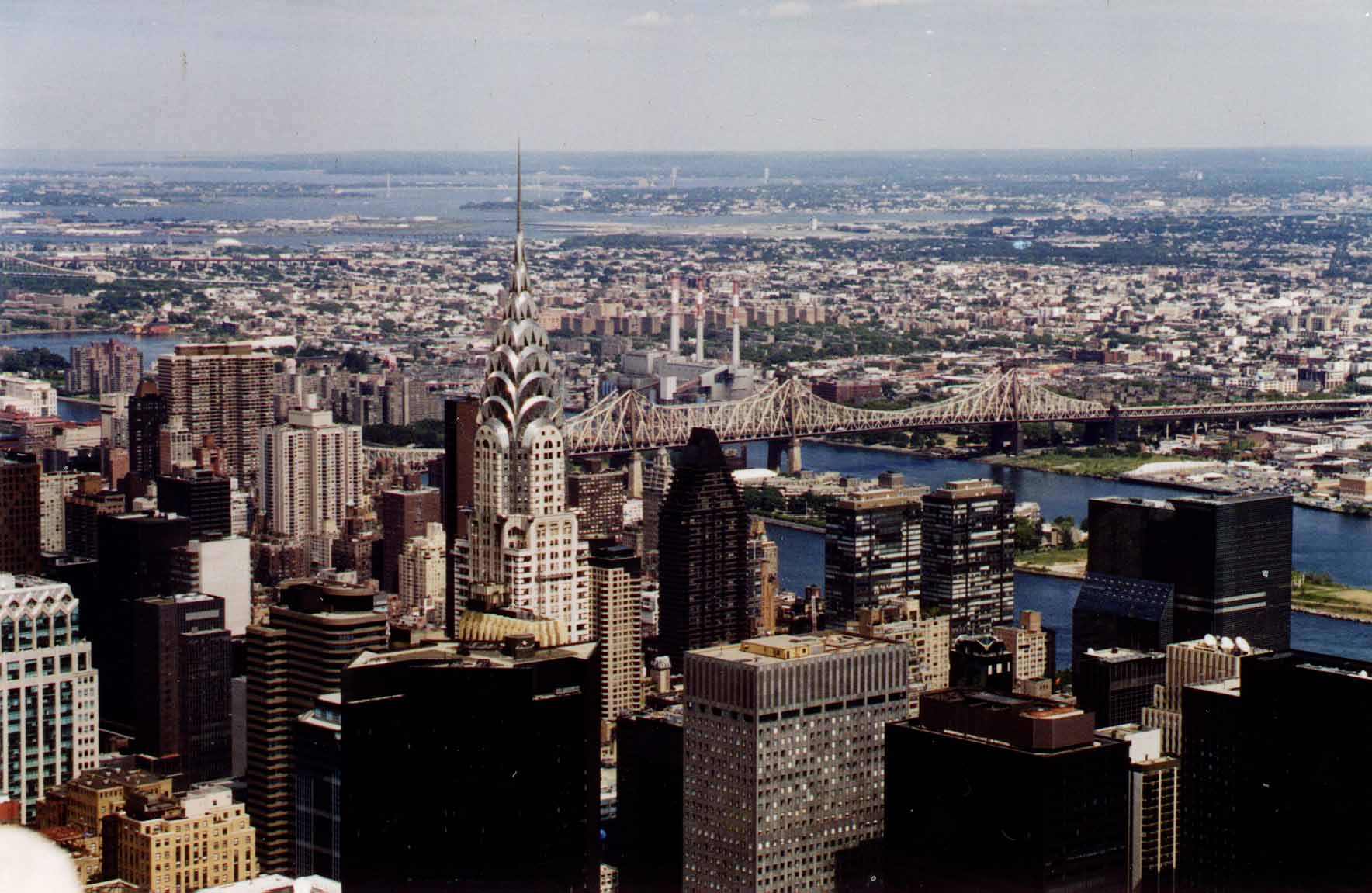
Chrysler Building & Overlooking Queens

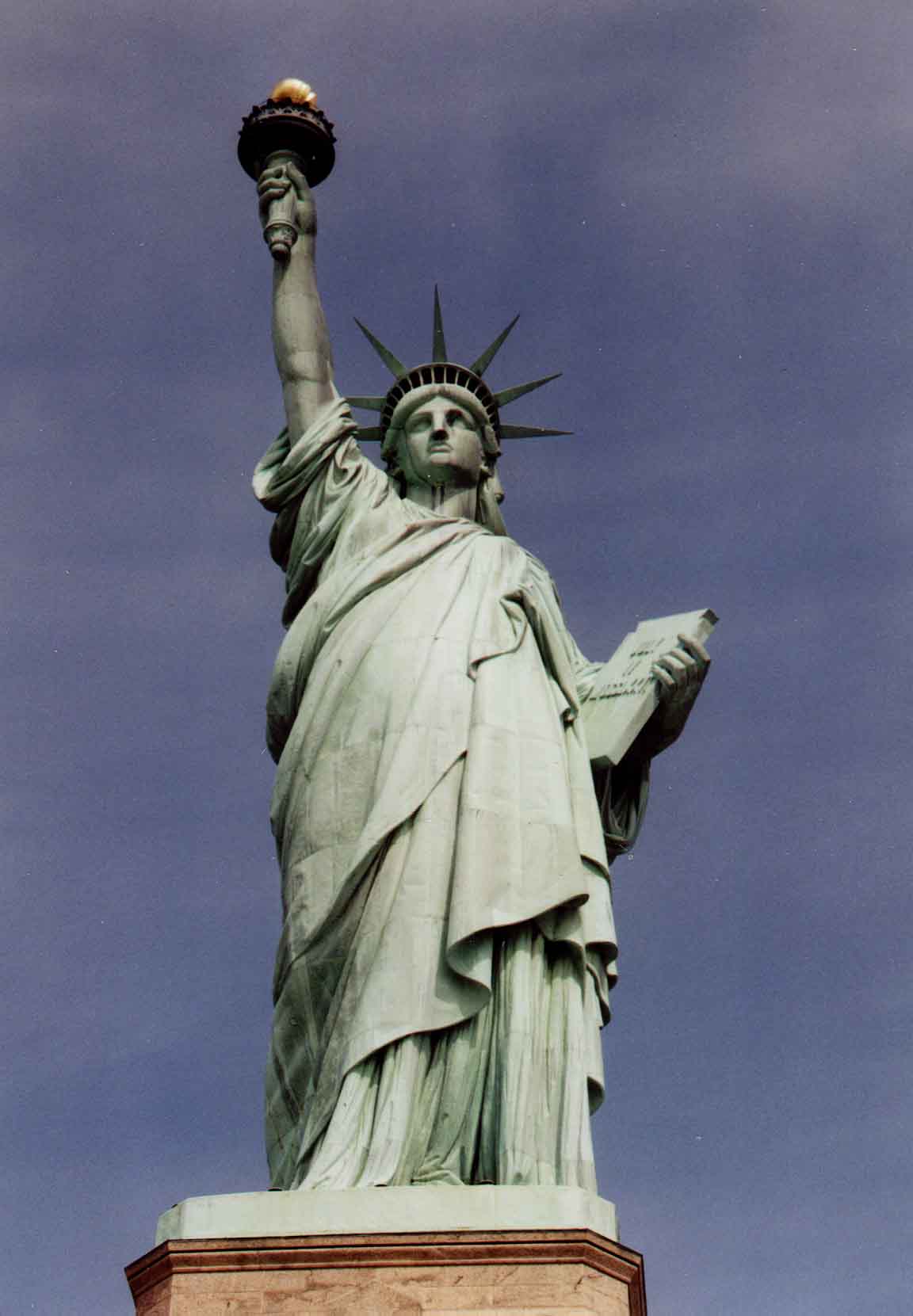
Statue of Liberty - Up Close
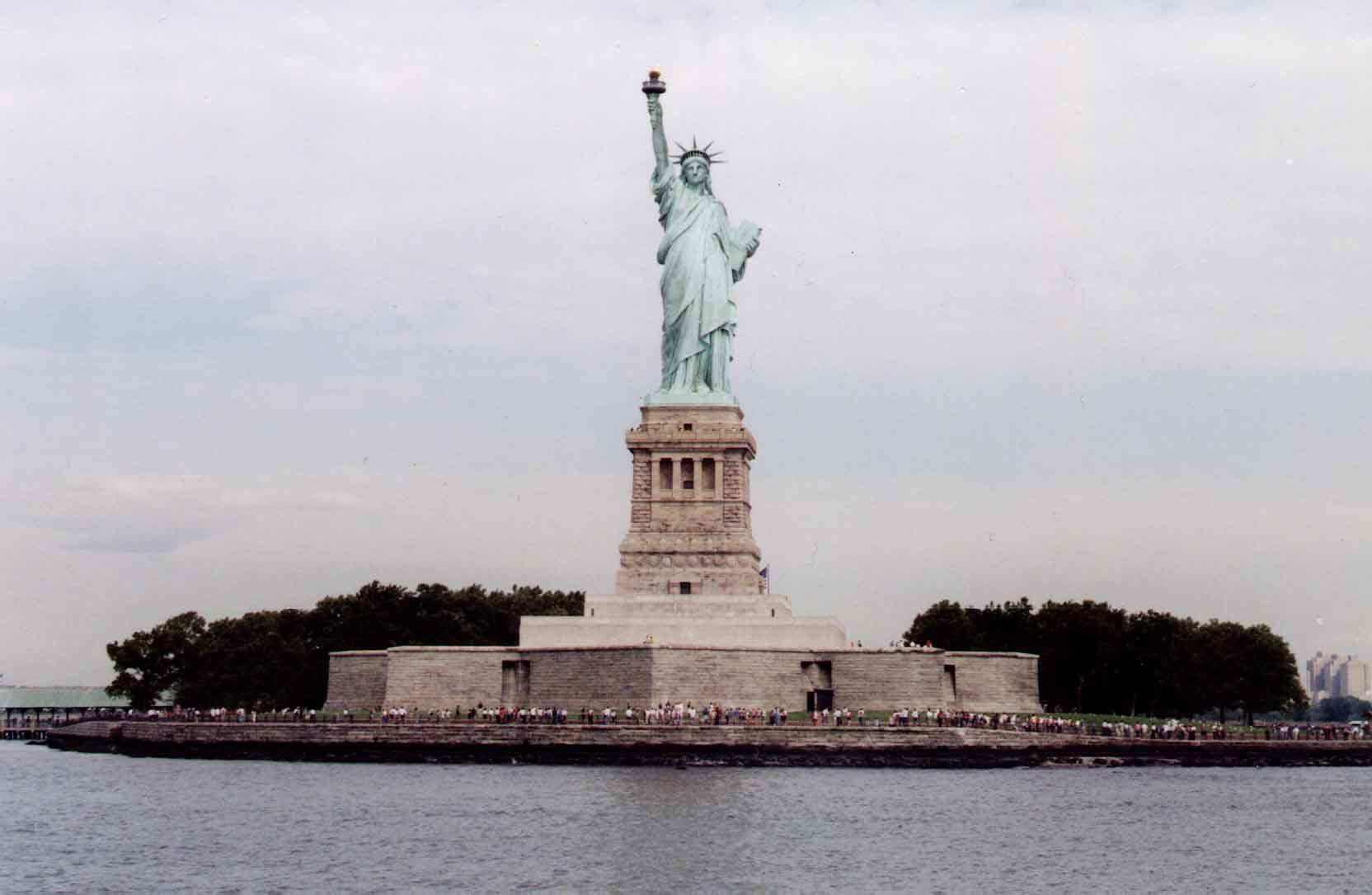
Liberty Island
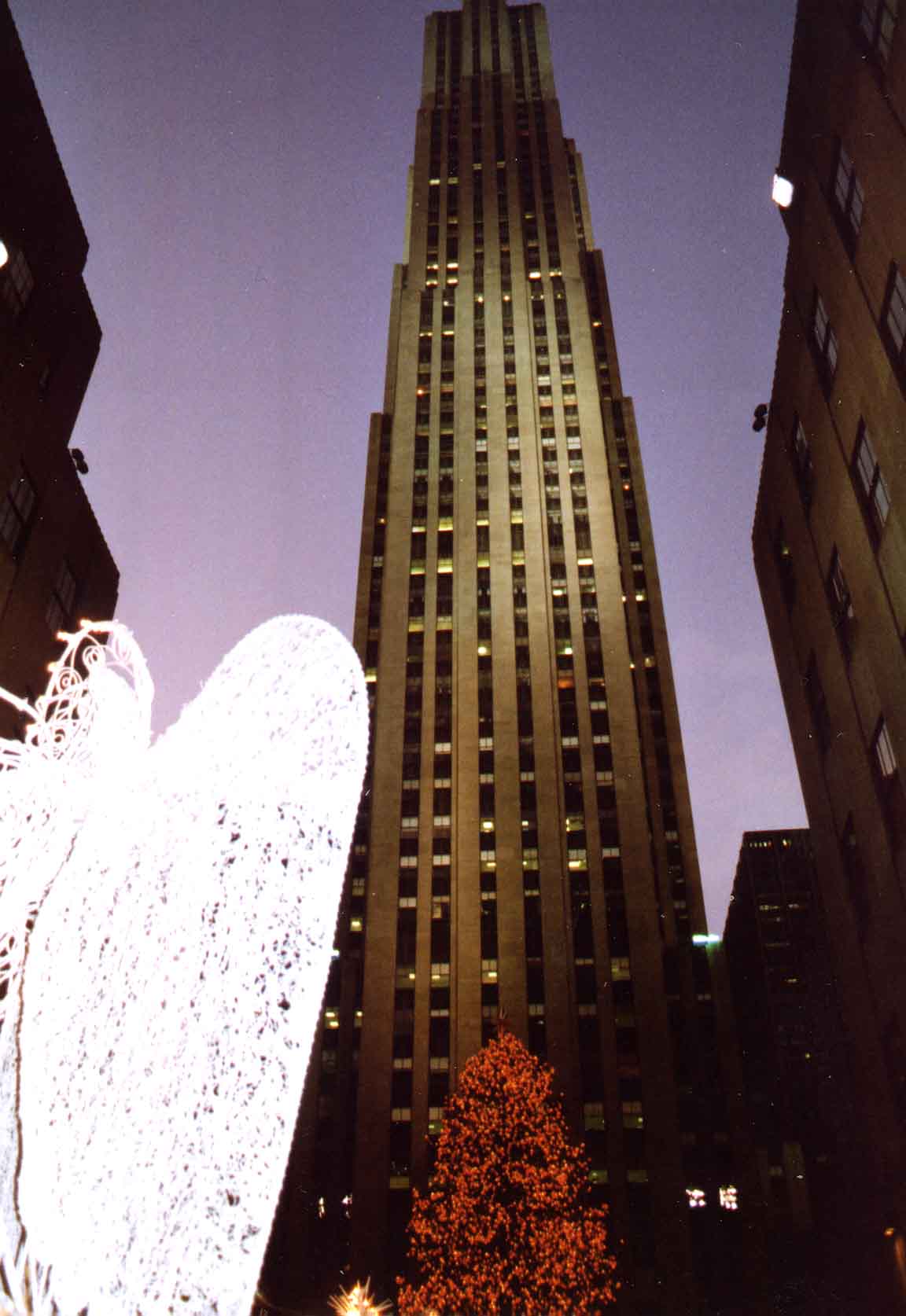
Rockefeller Center
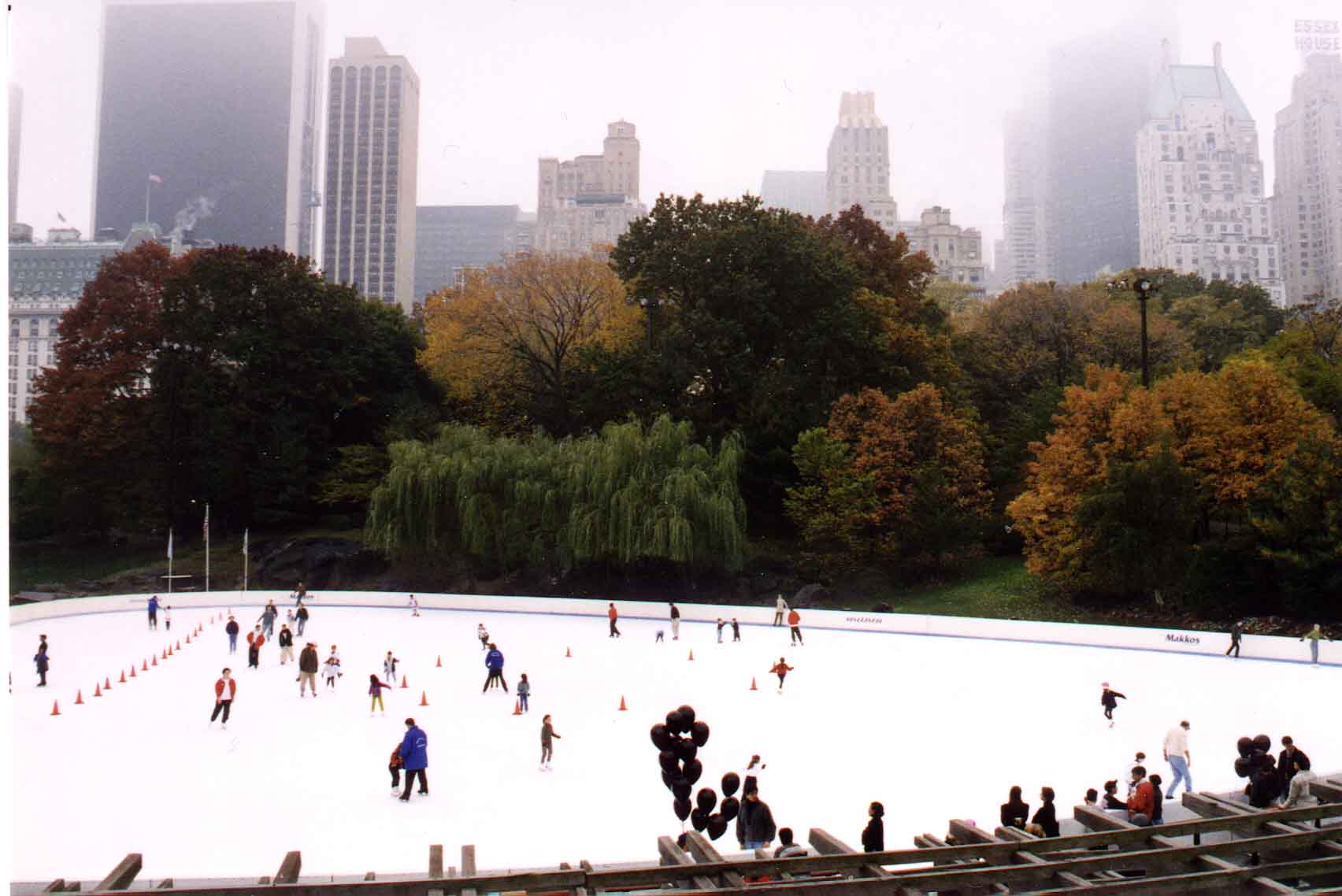
Central Park Skating Rink